Coronavirus: Pandemics in the Past

This is an article I wrote on the history of pandemics in Scotland.

Scotland and its Pandemics

c0481846-wuhan_novel_coronavirus_illustration-spl

As the coronavirus pandemic sweeps across the world, we are controlled by government restrictions as to what we may do. All schools and non-essential shops and businesses are closed, all places of entertainment and leisure are shut, while leaving our home is restricted to once a day for fresh air and exercise, and vulnerable people are to stay isolated for anything up to 12 weeks and perhaps beyond. All social gatherings are banned. Those who do not obey are fined.

Nurses and doctors wear protective equipment and patients are isolated. Curbs are put on panic buying and foreign travel is heavily restricted. 

And yet, this is not a modern way of coping with an epidemic. A 16th century Scot would be only too familiar with such clamp downs on personal freedoms. These type of restrictions in the face of a pandemic are centuries old.

One of the first recorded reports of a pandemic was by a monk by the name of Bower, from the monastery at Inchcolm. Plague had entered Scotland in 1349 from trade with Asia via Mediterranean countries and killed two-thirds of the population, including 24 canons in St Andrews who were infected from attending the dying.  In 1361, it struck again, killing one-third of the population.

1498-99 saw the plague revisit Edinburgh and the Lothians and restrictions were put in place. All taverns and schools were closed and there was a 10pm curfew. All residents had to take a turn guarding the town gates to prevent the entry of food and goods from infected areas. Any English cloth brought in had to be burnt. Punishments for disobeying those rules were banishment or death. 

In Haddington in East Lothian, dogs and pigs had to be kept in a yard rather than roaming the streets. Children found out and about were put in stocks and whipped, a teacher running a school would be banished while all shops and stalls were closed.

The need to cleanse contaminated places was recognised. Cleaners were employed at the rate of 12p a day to wash and smoke out infected houses.

In Edinburgh in 1500, more restrictions were introduced. The main market in the Lawnmarket was closed and anyone bringing in goods without permission was punished; women were branded on the cheek and men had a hand cut off.

All members of a household with a plague victim had to avoid contact with anyone for 12 days.

1505 saw further regulations. Illness must be reported within 12 hours and each close had to have two people in charge of identifying those who were ill and organising the cleansing of their abode.

plague-doctor

Plague Doctor

Plague continued to be a problem until 1514 with even stricter rules coming into force. Clearing of rubbish was instigated and all beggars and indigents were driven out of the city.

But by 1530, the plague had returned and continued to do so until the early 17th century. Punishments were still harsh, branding being a popular choice though a man who attended church, knowing his wife had the plague, was hanged.

The importance of cleansing the homes and goods of those infected was recognised and in Edinburgh in 1574, John Forrest was appointed to be in charge on pain of execution if his efforts at containing the plague were not successful. Apparently he succeeded,  as in 1585 he was again in charge of cleansing houses and homes deemed to be infected.

Those with plague were taken out to the Burgh Muir as were their contacts, where they were kept separately. Others were kept shut in their homes with food and drink being supplied until they either died or recovered. The townspeople were not to congregate around the close mouths and the muck and ordure was to be removed from the streets.

The Great Plague of 1665 in England did not reach Scotland though sporadic outbreaks occurred over the next two hundred years.

The last instance of bubonic plague happened in August 1900 in Glasgow in the Gorbals. Situated down by the River Clyde where ships from abroad were docking and foreign sailors coming ashore, it was no wonder that the plague was brought there from the many other overseas ports infected with it. At first it was thought to be typhoid which was much more common then, especially in the overcrowded and unsanitary houses in the Gorbals area. But a doctor recognised the symptoms of plague and measures were immediately introduced.

Rats were suspected of being the carriers and an army of rat-catchers was sent out to try to eradicate the creatures. Glasgow at that time, was well used to outbreaks of infectious diseases and its hospital system, although pre-dating the National Health Service by almost 50 years, was prepared and ready to deal with the outbreak. Its quick response meant that, in all, the plague was confined to a few streets in the area with 35 people infected and 16 dying. 

1n 1898, it had been shown that it was the fleas on rats which were responsible for spreading the disease, but the Glasgow public health authorities suspected that human contact was transmitting it. With the overcrowded conditions in the Gorbals at that time, the rate of spread suggested just that. The Medical Officer for Health immediately set up an investigation and identified Mrs B, a fish hawker as being the first person to fall ill along with her grand-daughter. They then identified anyone who had attended her wake and quarantined them. In support, the Catholic Church banned wakes of those who had succumbed to the plague. The plague was then successfully contained and quickly eliminated.

plague streets

Spread of the plague, Glasgow 1900

Recent research in 2019 by the University of Oslo found that indeed, the authorities were correct in suspecting human contact to be the means of transmission and that the killing of rats did very little to control the plague. Had the authorities not responded so quickly in identifying and quarantining those infected as well as their contacts, the plague could have spread beyond those few streets.

We have become complacent over the years with the advent of antibiotics and other medicines but now we are faced with a pandemic that is out of control and which does not respond to the medicines we have. We have reduced our medical facilities to a bare minimum, now inadequate and unable to cope with such a spread of disease. So we are having to fall back on to the old ways, used for centuries and effective if strictly applied and endorsed with severe punishments. 

We have a long way to go before Covid 19 is eradicated – for the time being. Let’s hope the lessons from history will be learnt.

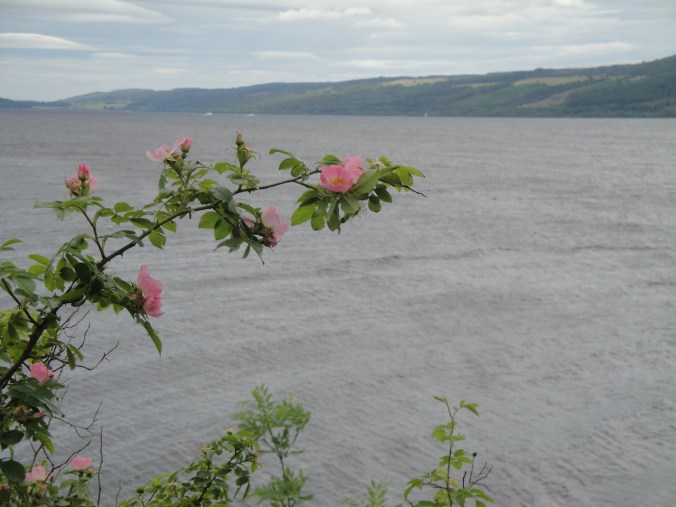
Do You Remember That Spring?

A wee poem looking ahead perhaps.

DSC01468

Do you remember that spring
When the sea waters chilled and the ice stayed hard?
When polar bears marched across firmer ground
Sniffed fresh, clear air and hunted for seal?
Do you remember that spring?

Do you remember that spring
When dawn birds chorussed to the silent world
And rookeries exploded with noise and news?
When skylarks soared in startling blue?
Do you remember that spring?

Do you remember that spring
When the sparrow-hawk watched while far below
Rabbit prey romped in empty roads,
And ducks dog-paddled in city fountains?
Do you remember that spring?

Do you remember that spring
When insects thrummed and hummed
In daisy spreads and buttercup blankets,
And an urban fox strolled through a mall?
Do you remember that spring?

Do you remember that spring
When Gaia shook off her dusty skirts,
Quaffed draughts of pure invigorating air
Arose and kissed the burgeoning earth?
And the healing began
That spring.

DSC03254

Putting Up with Coronavirus 3: Books for Kids

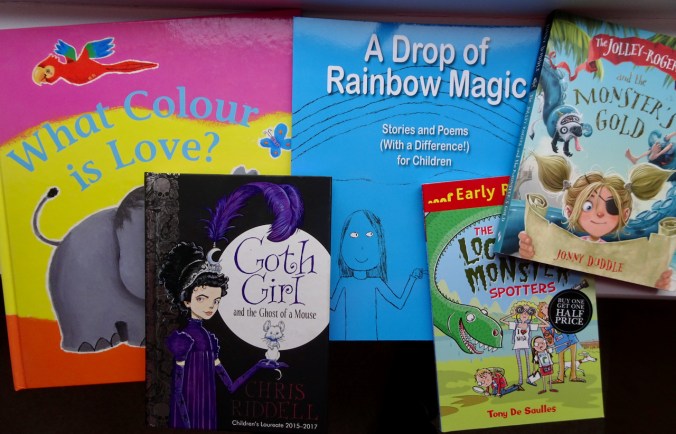
So the kids are at home for the duration. And you have to entertain and educate them all day, every day for the next 12 weeks or however long it takes to get rid of the Covid 19 epidemic. Here’s a selection of a few of the books from my bookshelves that would help to keep them occupied while you have a coffee/tea/G&T/meltdown.

For younger children, Linda Strachan’s What Colour is Love? follows a baby elephant as he asks that question of lots of other animals till he gets the perfect answer. The kids can listen to it being read here by Linda:

For kids who are learning to read, then The Loch Ness Monster Spotters is for them. The McFee family are desperate to spot Nessie but do they?

My book, A Drop of Rainbow Magic  is a collection of stories and poems I wrote for the BBC’s Children’s programmes on radio and TV. But it has no pictures to  go with them. There are spaces left for the kids to use their imaginations and draw their own pictures to accompany the stories. And give you a break as well!

Pirates are always popular and The Jolley-Rogers and the Monster’s Gold is a swash-buckling tale of a monster who eats those who come in search of gold. Can they defeat the monster and find the treasure?

For older kids (and not just girls) Goth Girl and the Ghost of a Mouse is a beautiful, funny and intriguing book with a secret book hidden in the back of it. Ada Goth has no friends but Ishmael, a mouse ghost, and together they set out to find what is going on in their spooky home.

DSC02354


How to Cope With Coronavirus!

So you’ve stocked up on toilet paper, packets of which are decorating every available space, you’ve got your tissues to hand and the fridge is full of ready meals. You’re ready to self-isolate for as long as it takes for this latest plague to go away. But wait! Haven’t you forgotten the most important item?

Books! How else are you going to while away the hours and days until you can surface like a mole blinking in the daylight? You don’t want to dwell on the awful updates on news channels and social media; instead you want to be able to escape into other worlds, far away from reality. And what better than to curl up in a comfy seat with a book, a cuppa and hours of uninterrupted reading. Bliss!

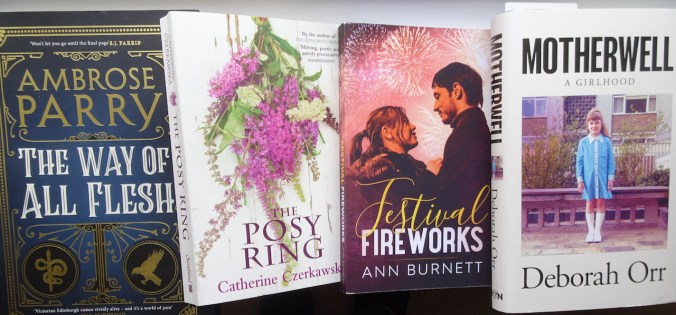
Here are some of the books that I can recommend for you to enjoy. This selection are all set in Scotland:

Catherine Czerkawska’s The Posy Ring is set on an imaginary Hebridean island but the atmosphere rings true. Daisy Graham, an antiques dealer, has inherited an old house on the island, filled with old furniture and items of interest to her. Cal Galbraith is also interested but are his motives what they seem? Their story runs in parallel with that of two cousins who are survivors from the Spanish Armada and who end up on the island. The Posy Ring links their stories,

Motherwell by Deborah Orr is a memoir of growing up in Motherwell, a former steel town in Central Scotland. She became an award-winning Guardian columnist before dying prematurely from cancer in 2019. She was renowned for outspokenness and she writes frankly about her family and early life and the lasting effects their views and values had on her. It’s a great read.

Something completely different from Ambrose Parry, aka Christopher Brookmyre and his wife, Dr Maris Haetzman, The Way of All Flesh. Medicine meets crime in 19th century Edinburgh with anaesthetics just being introduced to ease the pains of childbirth as well as other nefarious uses. Just be grateful medicine has improved since then.

The Gin Lover’s Guide to Dating by Nina Kaye is an ebook again set in Edinburgh, but this time it’s very up to date, full of laughs and sighs as we follow Liv in her quest for a job, a man and gin, not necessarily in that order. A light-hearted tale to enjoy.

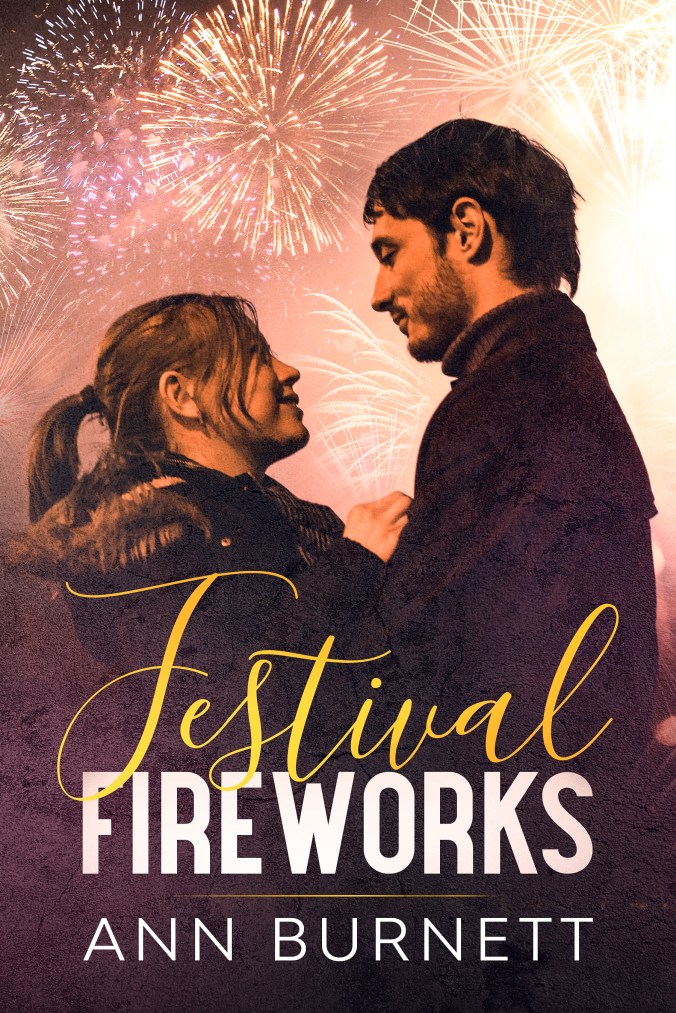
And I couldn’t not mention my own novel, Festival Fireworks, also set in Edinburgh but with a visit to Australia in it as well. Jill and Andrew get off to a very bad start and it doesn’t seem to improve as he’s not only her boss but her next-door neighbour as well and Jill somehow can’t get things right.

DSC02351

So sit down, switch off all your devices, and enjoy some peaceful escapism.

I’ll post another selection in my next blog so you won’t run short of reading material. And keep well!

Publication Days

Publication days come like buses – nothing for ages then two come at once.

Not only is this publication day of  Festival Fireworks in ebook format – paperback following soon!annburnett 1


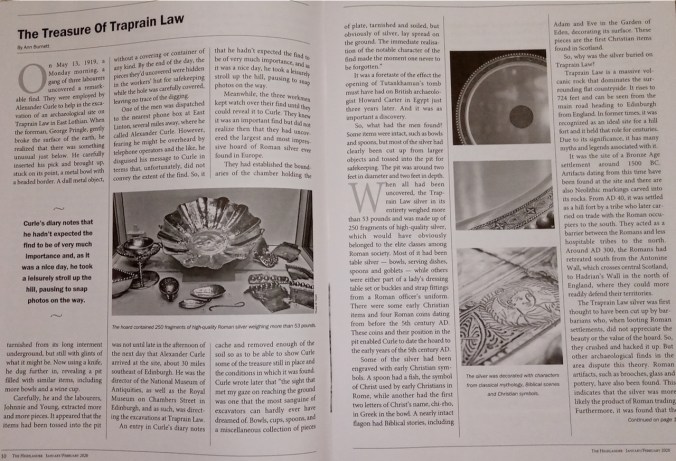
– but, as I discovered when the post arrived this morning, my article on the Traprain Law silver is also published in the latest edition of the Highlander magazine.

IMG_20200106_164829IMG_20200106_170121

The hoard of Roman silver was found locally and can now be seen in the Museum of Scotland in Edinburgh.

A double whammy for the city as my novel is also set in Edinburgh!


Festival Fireworks – New Edition

Those of you who follow my author page on Facebook will have read that I am re-issuing my contemporary Scottish romance, Festival Fireworks, under my own imprint, Ladybug Publications.      Ladybug_clip_art_smallLadybug_clip_art_smallLadybug_clip_art_small

It will not only be published as an ebook but also a paperback with a new cover. The story is mainly set in Edinburgh with a trip to Australia as well, as Jill and Andrew try to keep their romantic fireworks from blowing up in their faces, helped or hindered by agony auntie Linda. annburnett 1

So save your Christmas Book tokens for the New Year and watch this space for when it becomes available.

In the meantime, enjoy the festive season however you choose to spend it and may your stocking be filled with lots of books to read!

Gathering in the Harvest

The field outside my house has been shorn of its golden rapeseed and the harvest sent to the local rapeseed oil producing plant. Soon we’ll be able to buy a bottle of it to use for cooking. I’ve watched the crop grow and change from green to startling yellow and then to bronze and now reduced to a field of stubble. I wonder what the farmer will grow there next.

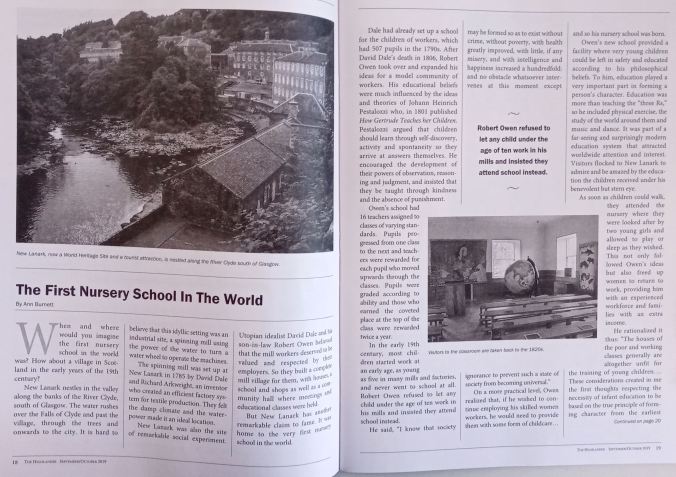
As for my own writing harvest, articles written over the long winter days are now surfacing. The Highlander magazine in the USA, taking articles on all things historical and Scottish, has just published The First Nursery School in the World, which Robert Owen set up in New Lanark in the early years of the nineteenth century. The ideas he put into practice about the education of young children are now standard but were revolutionary in his day.cover highlander

article R owenAnd my writing buddy, Sheila Grant, also has an article in the magazine, a powerful piece on The Killing Times, the struggle the Covenanters in Ayrshire had to worship in the way they wished.

September’s Scottish Field carries my piece on Susan Ferrier, Scotland’s Own Austen, and her best-selling books published in the first half of the nineteenth century. She was a great friend of Sir Walter Scott, and although she was, in her time, more successful than him, she only has a small blue plaque on the outside of her Edinburgh home whereas the Scott Monument dominates Princes Street.book cover 2

But the most successful harvest of all must be my potatoes. Regular readers of my blog will have followed their progress from seed potatoes chitting on my window ledge through to their breaking through the soil of their beds and burgeoning in the sun. I am almost tempted to say that I have too many. Certainly friends, family and neighbours have all been presented with some and we have been manfully eating our way through them. Fortunately, YouTube enlightened me on the method of freezing them so I have bags of frozen chips and roasties ready to see us through the winter.pots

At the moment, writing articles suits me best. It gets us out and about and meeting people as I research my latest topic. This afternoon, I hope to meet up with some metal detectorists and amateur archaeologists who have been excavating the lost palace of the Setons, burned down in 1715 after the first Jacobite Rebellion. Who knows what I shall harvest from the meeting!

It’s Festival Time Again!

The sun is out, the schools are on holiday and the festivals are in full swing.fringe

The Fringe by the Sea Festival is held every year in August in the seaside town of North Berwick. Stalls and marquees are set up by the harbour, just below the Seabird Centre and a packed programme of speakers, workshops, personal development therapies, music and kids’ activities is filled with visitors from all airts and pairts, as we say hereabouts.

Parking in such a small, popular spot is difficult, so to ease the congestion, and do our bit towards saving the planet, we left the car at home and took the bus there. It was a leisurely deedle-dawdle through pretty little villages, their roadside stone cottages filled with kaleidoscopic flowers, and past fields of barley and brassicas, with stunning views towards the Firth of Forth and the Bass Rock. It took twice as long as driving but who cares? We weren’t in a hurry.

We settled ourselves into the Spiegeltent ready for our first speaker, Doug Allan. He is a film cameraman who has worked extensively with David Attenborough on series such as Blue Planet and who specialises in filming in the Arctic and Antarctic. He had many stills and film clips which had us gasping in amazement at the beauty of the Poles and appalled at the damage we are inflicting on it. Doug spoke strongly about the need to act now, not just as individuals but to force governments to do far more now otherwise, as he called it, we face climate breakdown. He gave the audience much food for thought.

Ian Rankin is one of Scotland’s most successful crime writers and his character, Inspector Rebus, now retired, refuses to do just that. Ian has recently donated 50 boxes of his manuscripts and correspondence to the National Library of Scotland, and his interviewer had picked out some of the items that were in the boxes. Rejection letters, letters from the likes of Ian Crichton Smith and Alexander McCall Smith, a certificate for reciting Burns’ verse aged 8 or 9 – all brought back memories of his early life in Cardenden, his first attempts at writing a novel and his later successes, and the problems of introducing a pet in his books. The body count can rise exponentially but whatever, happens, don’t harm the dog – or forget to mention it. Readers apparently get very upset by that. And all spoken about in his trademark casual, friendly manner.`Ian Rankin

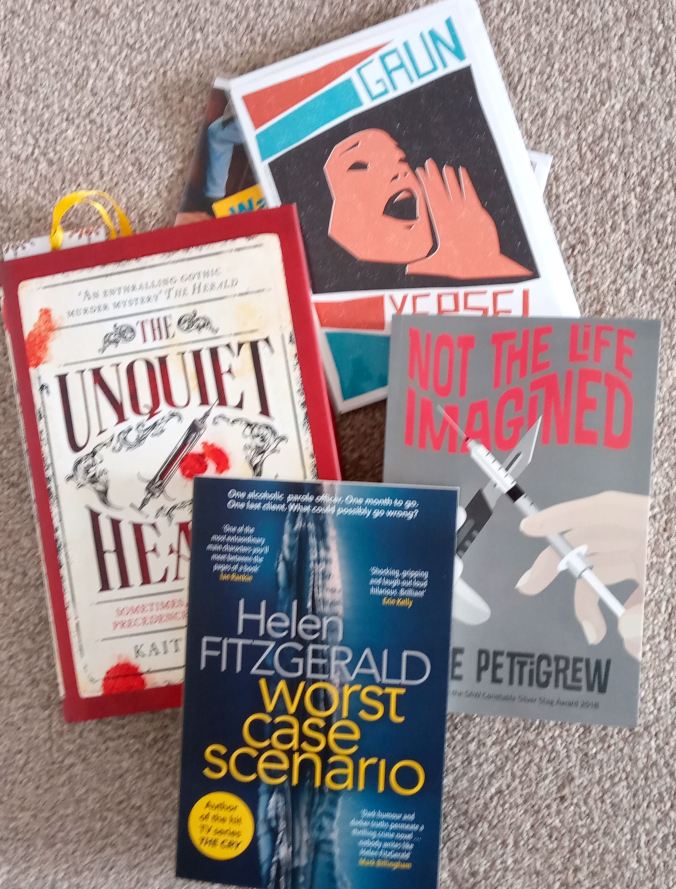
The following week, the Edinburgh Book Festival opened in Charlotte Square. It has now grown so large and successful that it has spilled out into George Street as well. What better occupation than to wander round a tent filled with books, books and more books! I know of no greater pleasure than to spend time in among books, browsing and reading snippets of them before choosing some to buy. So much, much more satisfying than clicking on Amazon’s website and waiting for the purchase to be delivered. And as for downloading on to a kindle…. a featureless, bland experience. And after buying them (as usual, far more than I meant to) carrying them home in the special Book Festival bag, cradling them carefully on the bus until, at home, I can settle down to reading them. Bliss!books

But before that, speakers Kaite Welsh and Caroline Lea spoke about their historical thrillers set in Edinburgh and Iceland. Kaite’s book, The Unquiet Heart, was triggered by the Edinburgh 7, the first women to become medical students at the University, and who suffered many trials and tribulations in their attempts to become doctors. Kaite’s main protagonist finds herself defending her fiancé from a charge of murder while trying to study medicine.

Caroline spoke about her love and knowledge of the old Icelandic sagas and the belief in the supernatural, still apparent today, among some Icelanders. Her book, The Glass Woman, begins with a hand apparently waving from the sea ice and the attempts by some men to bring it back on shore despite one of them, in particular, not wishing to do so.

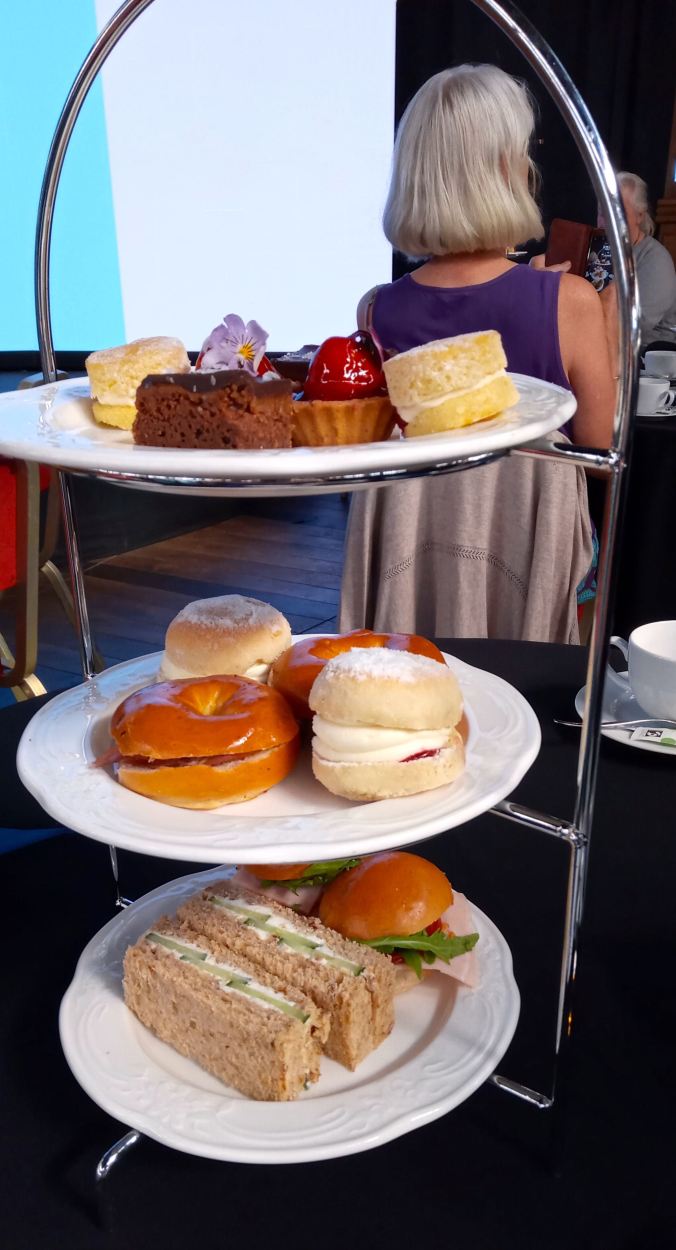
Then to something completely different – afternoon tea with food writer and broadcaster, Ghillie Basan. While munching our way up the plate stand and sipping at the whisky supplied, we listened to Ghillie talk about her life experiences which had developed her love of spices and flavours and how to match whisky to various foods. Despite living as she described it, in ‘the back of the back of beyond’ in the Scottish Highlands and frequently being snowed up in winter, she still manages to produce interesting and flavourful meals, helped by her kitchen drawers packed full of spices which she obtains from her spice merchant in Istanbul. Her latest book is Spirit and Spice, where she talks of her life with food and includes many mouth-watering recipes.afternoon tea

Plenty of food for thought in all of that!


Progress – or Not?

What do the Traprain Law Treasure, Susan Ferrier, Vaclav Jicha, the first Nursery School in the world and Christian Maclagan have in common?

No idea? I’m not surprised as this random collection of topics are all subjects I’ve written articles about recently and which have all been accepted for publication in a variety of magazines here and overseas.

The Traprain Law Treasure is the largest hoard of Roman silver ever found in Europe and which was uncovered 100 years ago in East Lothian. At present, some of it is on display in Haddington. It is quite stunning and hard to believe that it spent almost 1500 years buried on a hillside.

treasure

Traprain Law Treasure

Susan Ferrier was a best-selling author in her day (the 19th century) and a good friend of Sir Walter Scott while the first nursery school in the world was set up at New Lanark, near Glasgow, by Robert Owen in the 1800s.

book cover 2

Susan Ferrier’s bestselling novel

Vaclav Jicha was a World War II flying ace killed in a plane crash near Haddington in 1945.  Jicha Street is named in his honour in the town where he is buried. Many years after the war, his Czech fianceé discovered where he was laid and visited his grave every year till her death in 2010.

Jicha-portrait1

Fl Lt Vaclav Jicha DFC AFC

And Christian Maclagan was the first Scottish female archaeologist and a feisty woman to boot! She was unable to read her papers on her research to the Society of Antiquaries or be recognised for her work on Scottish prehistory because she was a woman.

Maclagan_-_Keir_of_Gargunnock

One of Maclagan’s drawings of a broch


Circumstances mean that at the moment articles are what I am writing rather than longer pieces. I can’t commit to the long-term tunnel vision I require to write novels but I don’t want my writing muscle to atrophy so article writing suits me fine. It also means we can have days out to research and visit places associated with my topics; these so far have included the National Museum in Edinburgh, a graveyard in Haddington and a lay-by on the A1!

I have also met and corresponded with some lovely people who have helped me in a variety of ways with photos and insights and pointed me in the right direction when I wandered off topic.

But I have realised that there are many more advantages to the type of writing I’m doing at present. I send the articles to the editors of the various magazines I’m contributing to and I receive a yes or a no and that’s all I have to do. No hassling people for reviews, no checking Amazon rankings to see where I appear, no constant feeding of social media to keep me in the spotlight, no blanket flooding of Facebook and Instagram and Twitter in the hope of a few sales. All that time I would normally have to spend on such activities I can spend WRITING!

Recently when I was totting up my earnings versus expenses from my writing, I realised that I had spent more on advertising my ebooks than I had actually earned from them. I know I only have two published and that I’m not the most dedicated of self-promoters but I would need to have many more ebooks out there to make it worthwhile. For articles, I sit back and wait for the cheque to arrive when the magazine publishes my piece. Simples!

There has been a change however. Perhaps the pendulum is swinging back again; apparently ebooks are losing their popularity compared with ‘real’ books and independent bookshops are making a comeback though they will never be as cheap as Amazon. However there is nothing more pleasant than browsing in a good bookshop, especially if there’s coffee to be had too, and there’s always the serendipitous chance of coming across a book that speaks to you, that you’ve never heard of, would never have thought of buying but which touches something in you. Until Amazon can give the browser an experience similar to that, then bookshops it is.

Maybe magazines are also due to rise phoenix-like from the ashes of their purported demise. There are still many out there which seem to defy all the odds and continue selling, if not as many copies as before, then enough to keep them viable. And the good old People’s Friend has just celebrated its 150th birthday and takes around 1000 feature articles each year.

I certainly hope magazines start to flourish again. I much prefer to read from a magazine or book rather than from a screen. A hard copy is there when you need it, you can flick backwards and forwards at will, and it won’t interfere with your reading pleasure by changing font size or page when you inadvertently stick a finger in the wrong place. And the batteries in a book or magazine never run out.

Sometimes, progress needs to take a step back now and again when we realise that the new ways are not as good as what we had before.